Back to Resources
Your Mammogram Says You Have Dense Breasts. Now What?
Dense breasts are common and aren’t a diagnosis. What your density category means, why you’re getting this notification now, and what to do next.

Medically reviewed by
Dr. Rachel F. Brem, MD, FACR, FSBI
Breast Radiologist
Written by
BeSound
Share on:

Key takeaways
Dense breasts are common and aren't a diagnosis.
Genetics, age, hormones, and body composition shape breast density, not anything you did.
Only categories C (heterogeneously dense) and D (extremely dense) count as dense.
Dense tissue raises cancer risk and can hide cancer on a mammogram.
Whether you need extra screening depends on your overall risk and your breast density. Women at increased risk and women with dense breasts need additional screening to optimize the opportunity to detect the earliest cancers.
A 2024 FDA law requires every facility to tell you if your breasts are dense.
I got a notification about dense breast tissue. What should I do?
An email on Tuesday night tells you your mammography results are ready. You scan quickly for the word normal and find it. Phew. A paragraph later, though, you see a phrase you haven’t seen before: dense breast tissue. What does that even mean? Why did I get that notification this year but not last?
Of course, you open a new tab and start searching. Before you go too far down an internet rabbit hole, we’ve gathered some facts to help you relax a bit and understand what next steps you may want to take.
You’re in good company: nearly half of women 40+ have dense breasts
The phrase “dense breast tissue” is a description of how much breast tissue is seen on your mammogram. Because of relatively new legislation, many more people are seeing this notification in their mammography results than before (we’ll get into that later).
Breasts consist of three kinds of tissue: glandular tissue (milk glands and ducts), fibrous connective tissue (which holds everything in place), and fatty tissue.
Dense breast tissue has more fibrous and glandular tissue than fat. Close to half of women 40 and over have dense breasts.1
Should you worry about dense breast tissue? Two things to keep in mind
There are two important upshots, neither of which should send you into a panic, but are good to keep in mind for next steps.
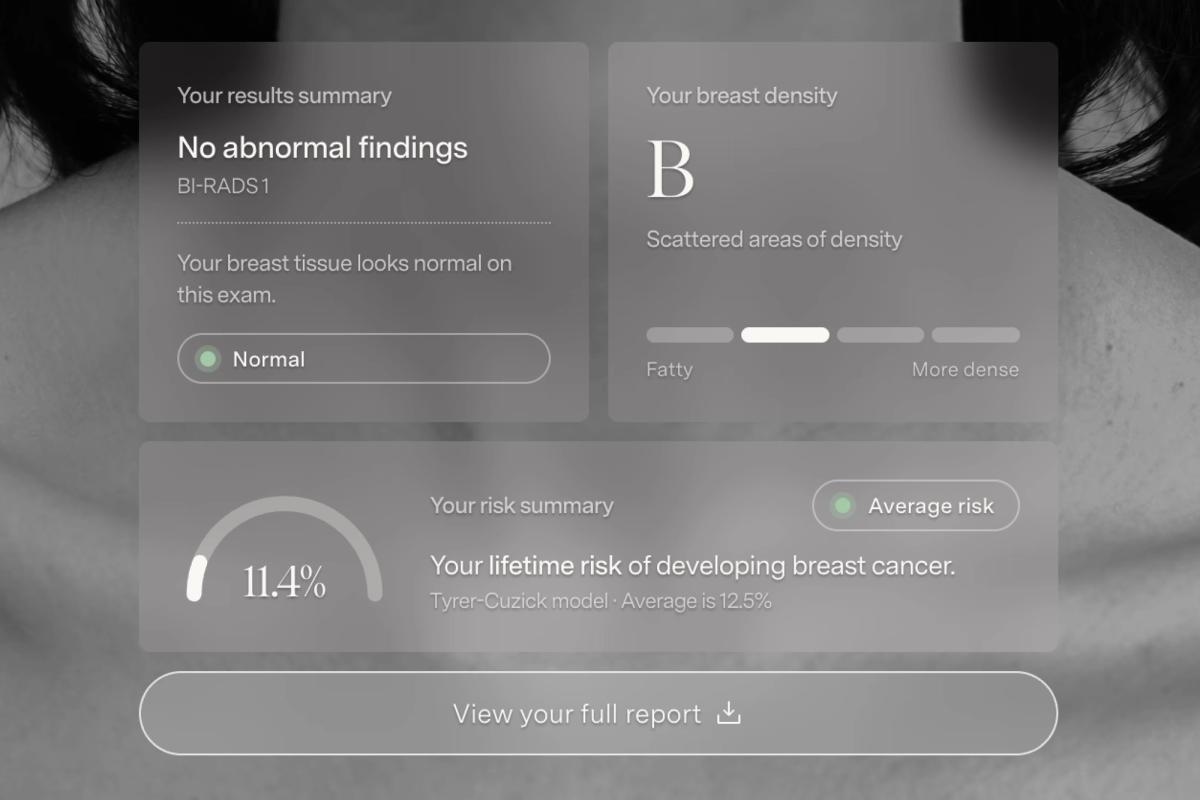
First, having dense breasts does increase your risk of breast cancer, and the denser your breasts, the higher your risk. Having dense breast tissue puts you at intermediate risk. Whether you are at high risk for breast cancer depends on a number of factors, not just breast density.2
Second, a higher breast density can make cancer harder to spot on a mammogram.3 Radiologists rate breast density using a standard system called BI-RADS (Breast Imaging Reporting and Data System). Because both dense tissue and tumors show up white, a small cancer can be masked by the surrounding normal breast tissue. What happens is that the contrast between a cancer, which is white on a mammogram, and the normal dense white tissue, which is also white on a mammogram, is lost. Radiologists often compare it to looking for a snowball in a snowstorm. This “masking” effect is strongest with extremely dense breasts.
What causes dense breast tissue? (Hint: not you)
The short answer is: nothing that you did.
Genetics. If your mom or sister has dense breasts, you’re more likely to have them.
Age and estrogen. Breasts are generally denser when you’re younger and during pregnancy and breastfeeding, because estrogen fuels glandular tissue. For this same reason, dense tissue typically decreases as estrogen declines with age. That being said, women of all ages can have dense or non-dense breast tissue.
Hormone therapy. Menopausal hormone therapy, particularly combined estrogen and progestin, can increase density.
Body composition. For people with a lower BMI, fibroglandular tissue makes up a larger share of what shows on the mammogram.
If you are on hormone therapy for menopause symptoms, a density finding isn’t necessarily a reason to stop treatment, but rather a good opportunity to review options with your clinician.
The four breast density categories, and why only two of them count as dense
Your mammogram report will place you in one of four breast density categories:
- ANot dense
Almost entirely fatty
Mostly fat, very little fibroglandular tissue
- BNot dense
Scattered fibroglandular density
Mostly fat, with some scattered areas of dense tissue
- CDense
Heterogeneously dense
A mix, with many areas of dense tissue that could hide small masses
- DDense
Extremely dense
Nearly all dense tissue, which lowers mammogram sensitivity
Illustration, not a real mammogram. Every panel has the same small white spot in the same place. The denser the tissue around it, the harder it is to pick out.
If your report says C or D, you have dense breasts. Extremely dense breast tissue (category D) carries the most impact on how easily a mammogram is read and how much your risk of cancer is increased.
Your category can also change over time. Density can decrease with age, especially after menopause, so the rating on this year’s report may not match the one you get a decade from now.
Should I do anything about my dense breast tissue, like get more imaging?
Pay attention, but don’t panic. Whether or not to get extra imaging depends on your density category and your overall breast cancer risk. Not all expert groups recommend additional screening for everyone with dense breasts. However, nearly all scientific studies have shown that women with dense breast tissue who have additional screening have earlier, generally more curable breast cancers detected.
A conversation with your clinician matters more than any blanket rule, but knowledge is power. All women should know that if you have dense breast tissue, cancers can hide, but additional screening, such as with ultrasound, MRI, or a newer type of mammogram called contrast-enhanced mammography, can indeed find more and earlier cancers.
BeSound’s free, clinically validated Tyrer-Cuzick assessment estimates your lifetime risk in about five minutes.
What are my options for additional imaging?
Regular mammograms are still recommended either way. None of these technologies result in not needing mammograms. You do. However, it is important to know that 3D mammography, also known as tomosynthesis, is not supplemental screening. It takes images from multiple angles, which can make cancers easier to see in dense tissue, and many facilities now offer it as a standard screening.
Supplemental options include:
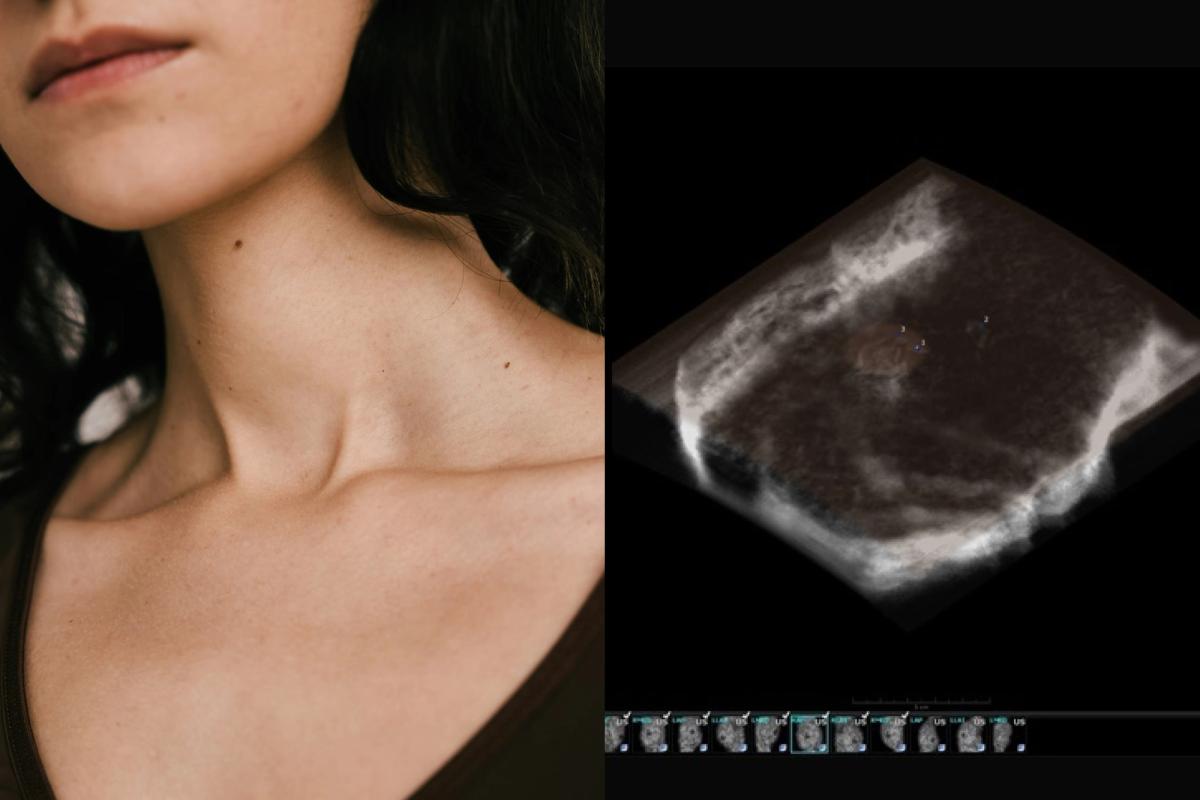
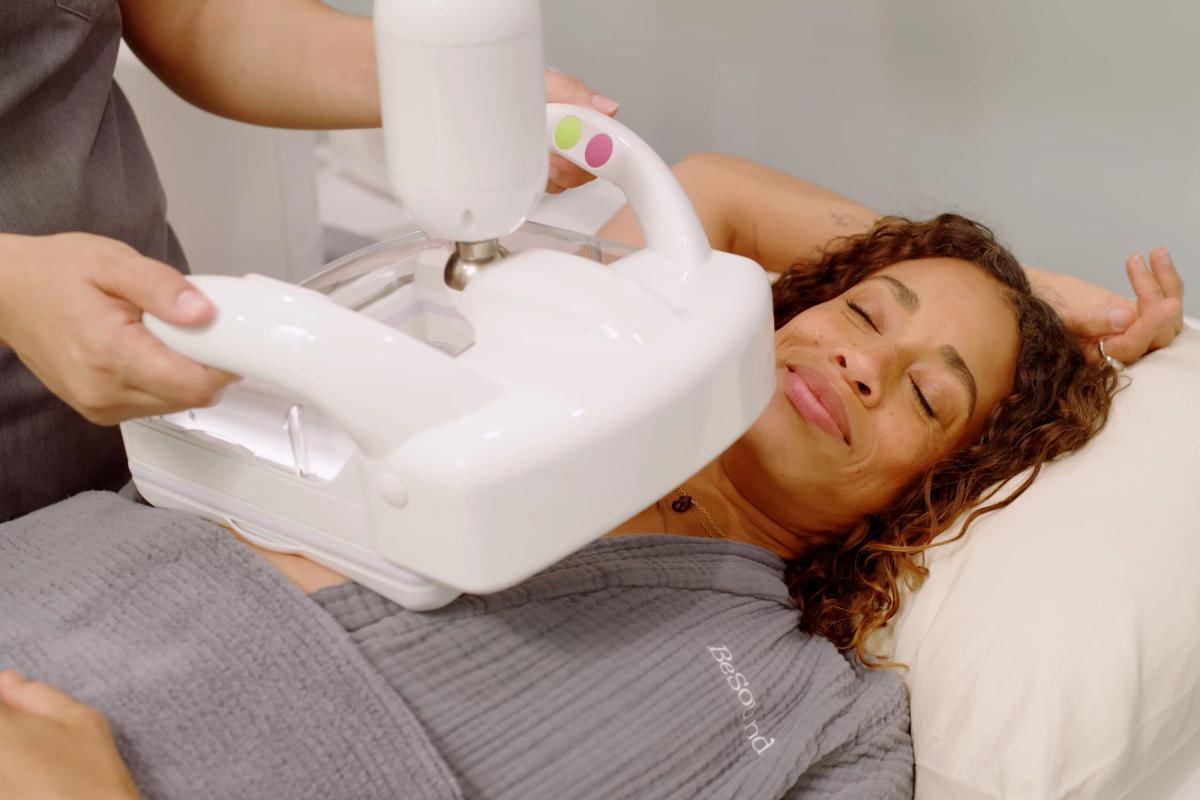
Breast ultrasound. Using sound waves and no radiation whatsoever, this option can detect cancers a mammogram misses. A newer version, 3D automated breast ultrasound (ABUS), makes the scan more consistent.
Breast MRI. The most sensitive option, usually reserved for women at higher risk. The American College of Radiology recommends MRI for women with dense breasts who want supplemental screening.
Contrast-enhanced mammography. A newer option that uses contrast dye. It may be an alternative to MRI.
BeSound, with locations in Los Angeles and NYC, offers an FDA-approved, 3D automated breast ultrasound screening open to women of any age, not just those 40 and older, with results in 24 to 48 hours. This is particularly important since there is an alarming increase in breast cancer in young women, women under 40 who currently have no recommendations for routine screening. Younger women who want to optimize the opportunity to detect earlier, more curable breast cancer should consider ultrasound at BeSound. Like any ultrasound, it’s meant to add to your mammogram, not replace it. Book your scan here.
Why am I getting this notification now? The 2024 FDA breast density notification law
If you never heard about breast density until recently, you’re not alone. For years, whether you were told depended on where you lived. A federal breast density law that took effect in 2024 now regulates all mammography facilities.4 Under this breast density notification law, every facility in the U.S. must now:
- Rate your breast density using one of the four standard categories in the report sent to your clinician.
- Include a plain-language breast density statement in the results summary sent to you, saying whether your tissue is “dense” or “not dense.”
- Send that summary to you within 30 days of your mammogram being read.
The FDA breast density statement for dense breasts explains that dense tissue makes cancer harder to see on a mammogram and raises breast cancer risk. It notes that other imaging tests may help find cancers in some people with dense tissue. It ends with a nudge to talk to your healthcare provider about breast density, breast cancer risk, and your individual situation. It also supports that women with dense breasts should have supplemental screening, as it notes that additional testing may help find additional cancers, and who doesn’t want the earliest, most curable cancers found?
What the federal rule does not do is require insurers to pay for extra screening. A separate bill, the Find It Early Act (H.R. 6182), would require most health plans to cover supplemental breast imaging with no cost-sharing. It was reintroduced in Congress in November 2025 but has not become law as of this writing.
There is one recent coverage change, though. Starting in 2026 for most plans, most private health plans must cover supplemental breast imaging for average-risk women, including those with dense breasts, at no cost under updated federal preventive care guidelines. Medicare and some other federal plans aren’t included.
Your checklist for what to do next
Find your category
Check your full report for A, B, C, or D.
Talk to your clinician
Ask them to assess your overall risk, taking into account your family history, genetics, and hormone therapy use.
Look into supplemental screening
Discuss whether 3D mammography, ultrasound, or MRI makes sense for you.
Call your insurer
Ask what’s covered and understand any costs to you before scheduling extra imaging.
Keep up with your mammograms
Any supplemental tests you opt into add to mammograms rather than replacing them.
About 20 minutes. Radiation-free and compression-free. Results in 24 to 48 weekday hours. Transparent pricing at $349.
Not medical advice. Consult a medical professional with any medical questions. BeSound provides supplemental breast ultrasound imaging and does not replace mammography or medical care. Imaging is interpreted by licensed physicians. For marketing purposes only. The American Cancer Society recommends that women at average risk begin regular mammograms at age 40. BeSound is a technology platform that connects individuals with independent partner medical groups that provide breast imaging services; BeSound is not a healthcare provider.
References
- Dense breasts. Centers for Disease Control and Prevention. Updated September 22, 2026. Accessed October 21, 2026. https://www.cdc.gov/breast-cancer/about/dense-breasts.html
- Kerlikowske K, Ma L, Scott CG, et al. Combining quantitative and qualitative breast density measures to assess breast cancer risk. Breast Cancer Res. 2017;19(1):97. https://doi.org/10.1186/s13058-017-0887-5
- Mayo Clinic Staff. Dense breast tissue: what it means to have dense breasts. Mayo Clinic. Accessed October 21, 2026. https://www.mayoclinic.org/tests-procedures/mammogram/in-depth/dense-breast-tissue/art-20123968
- Important information: final rule to amend the Mammography Quality Standards Act (MQSA). US Food and Drug Administration. Updated September 10, 2024. Accessed October 21, 2026. https://www.fda.gov/radiation-emitting-products/mammography-quality-standards-act-mqsa-and-mqsa-program/important-information-final-rule-amend-mammography-quality-standards-act-mqsa
Read more
Start your BeSound journey
Book your scan and view your results directly in your BeSound dashboard.
Learn your risk
Not sure where to start? Take our free risk assessment to better understand your personal risk factors.